

Motac Neuroscience

Strategic Partnerships.
Greater Impact

Uniting expertise to accelerate translational and preclinical neuroscience.

Motac builds strategic partnerships with specialised preclinical research organisations to provide biotechnology and pharmaceutical companies with integrated support across the therapeutic development pathway. By combining complementary expertise in translational neuroscience, in vitro screening, preclinical study design, validated in vivo models and non-human primate research, these partnerships help clients move efficiently from early discovery to preclinical proof of concept.

Together, Motac and its strategic partners deliver tailor-made research programmes covering efficacy, pharmacokinetics, biodistribution, safety assessment and specialised neuroscience procedures. This collaborative approach gives clients access to broader scientific capabilities, coordinated project delivery and robust translational data for the development of new therapies targeting neurological and psychiatric disorders.

Illustration of three interlocking rings containing a neuron, a microscope, and lab vials, symbolizing strategic partnerships in preclinical research.
Inspire, integrated neuroscience solutions for preclinical research.

INSPiRE is a strategic partnership between three complementary preclinical CROs:

An End-to-End Approach to Preclinical Development

An Integrated Preclinical Pathway

The partnership provides biotechnology and pharmaceutical companies with an integrated pathway for evaluating new therapeutic approaches targeting the central nervous system. By connecting advanced in vitro models with translational in vivo studies and specialised non-human primate capabilities, INSPiRE supports the progression of promising candidates from early discovery to preclinical validation and preparation for clinical development. Each programme is designed around the scientific objectives, therapeutic modality and development stage of the client, ensuring a coherent and tailor-made strategy throughout the preclinical pathway. The complementary capabilities of the three partners enable programmes to combine early in vitro screening, translational efficacy studies and PK/PD or toxicology expertise within a coordinated framework. This continuity facilitates scientific decision-making and supports the selection of the most appropriate next steps as evidence is generated.

MOTAC’s contribution

Motac contributes its long-standing expertise in translational neuroscience and preclinical models of neurological and neurodegenerative disorders, including Parkinson’s disease, Alzheimer’s disease and other movement and cognitive disorders. Tailor-made in vivo studies combine behavioural assessment with neurochemical, imaging, histological and post-mortem analyses to evaluate efficacy, target engagement and mechanisms of action. Motac’s scientific team provides support throughout the programme, from model selection and study design to data interpretation and the generation of robust preclinical proof-of-concept data. By translating the mechanistic findings obtained in vitro into validated disease models, Motac helps determine whether a therapeutic approach produces biologically relevant and functionally meaningful effects in vivo.

Through INSPiRE, Motac works alongside Neuron Experts and Cynbiose, combining complementary expertise across the preclinical development pathway.

MOTAC's partners in the INSPiRE project

Neuron experts Logo, Motac's partner.

NeuronExperts – Advanced In Vitro Models

NeuronExperts specialises in primary neuronal cell cultures and the development of in vitro models for studying neurodegenerative diseases and evaluating neuro-active compounds.

Its cellular systems enable the early investigation of disease mechanisms, neurotoxicity, neuronal dysfunction and the neuroprotective or neurotrophic effects of therapeutic candidates. These models can be used to screen and compare compounds, investigate mechanisms of action and identify the most promising candidates before progressing to in vivo studies.

A synergistic approach that enhances the drug development pipeline, from early-stage research to preclinical evaluation.

Clients gain access to cutting-edge expertise in neuronal cell culture models and preclinical research, ensuring a seamless transition from early-stage discovery to preclinical validation. This integrated approach enhances predictability and translational value, accelerating drug development while reducing risks. With customised study designs and comprehensive solutions, our collaboration supports efficient, biologically relevant research to accelerate the development of breakthrough therapies.

Cynbiose Logo, Motac's partner.

Cynbiose, Specialised NHP Studies and Safety Assessment

Cynbiose is a specialised preclinical CRO with extensive expertise in non-human primate models. The company provides comprehensive services in the fields of pharmacology, toxicology, and infectious diseases to help advance drug development, particularly in areas such as vaccinology, immuno-oncology, neuroscience, and infectious diseases.

For CNS programmes, Cynbiose provides specialised neurosurgical procedures, targeted administration, imaging and CNS biodistribution capabilities. The company can conduct exploratory safety studies, hybrid study designs and IND-enabling toxicology programmes to support the transition towards clinical development.

Cynbiose is one of the leading preclinical NHP experts in Europe offering the possibility to evaluate therapeutic candidates in models offering a high degree of anatomical, physiological and functional relevance, helping to address key translational and safety questions before first-in-human studies.

With Motac’s specialised expertise in stereotaxic surgery, targeted CNS delivery and microdialysis in non-human primates, clients gain access to an integrated approach with precise compound administration, robust pharmacokinetic and pharmacodynamic assessment, and the generation of translational data within tailored preclinical study designs.

Inspire, integrated neuroscience solutions for preclinical research.
A Continuous Preclinical Pathway
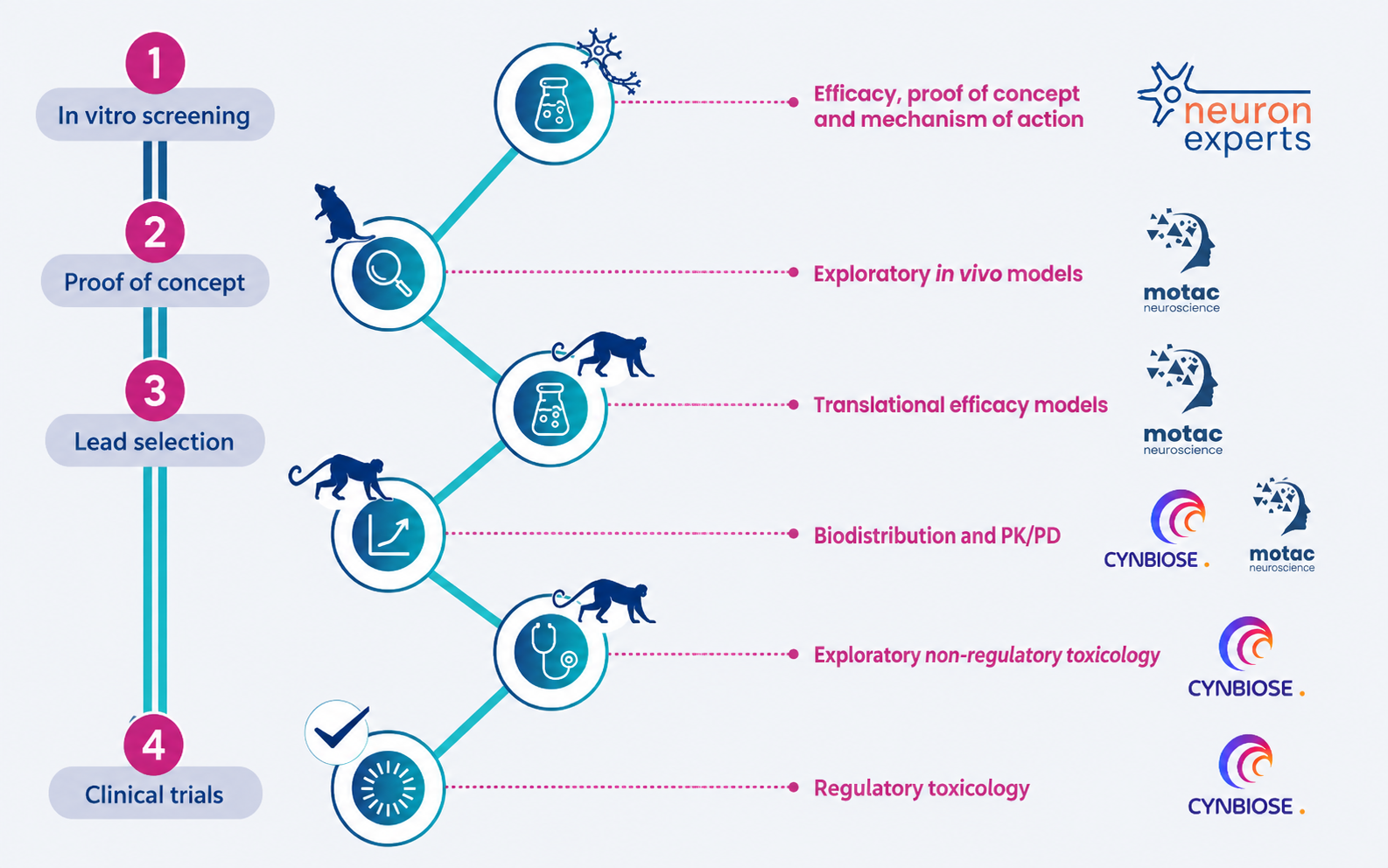
INSPIRE network diagram detailing preclinical development stages, from in vitro screening to clinical trials, featuring partners Neuron Experts, Motac, and Cynbiose.

The strength of INSPiRE lies in the scientific continuity between the three partners:

Rather than conducting isolated studies, the partners work together to build a coordinated development strategy. Findings generated at each stage inform the design of the next, helping clients select relevant models, optimise study plans and make evidence-based development decisions.

Why Work with INSPiRE?

Through a single integrated partnership, clients benefit from:

By bringing together specialised models, technologies and scientific expertise, INSPiRE helps biotechnology and pharmaceutical companies generate more predictive and clinically relevant preclinical data while reducing development risks.

Contact us

Explore how INSPiRE can support your therapeutic candidate.
From early evaluation to advanced preclinical development.

Illuminated brain illustration representing real-time brain imaging, highlighting the partnership between Motac Neuroscience and Inscopix.

Inscopix

Connecting Neural Circuit Activity with Behaviour

Motac’s strategic partnership with Inscopix, a Bruker company, combines advanced in vivo calcium imaging technology with Motac’s expertise in translational neuroscience, validated CNS disease models and behavioural assessment. This integrated approach enables biotechnology and pharmaceutical companies to investigate how candidate therapies influence neural circuit activity in freely behaving rodents.

Inscopix develops miniature head-mounted fluorescence microscopes, or miniscopes, for the longitudinal recording of calcium dynamics in freely behaving animals. Its technology captures neural activity across large populations of individual cells, providing cellular-resolution insights into how neuronal ensembles respond during behaviour, disease progression and pharmacological intervention.

Unlike approaches that record individual neurons or average signals across an entire brain region, Inscopix technology provides functional information at the neural-circuit level, helping researchers connect cellular activity with behavioural outcomes.

Motac integrates Inscopix neural imaging technology into tailor-made preclinical studies using relevant rodent models of neurological and psychiatric disorders. These studies can combine:

Motac’s expertise in basal ganglia circuitry enables detailed striatal profiling, including the investigation of D1 and D2 striatal projection neurons. This approach is particularly relevant to Parkinson’s disease, schizophrenia, Huntington’s disease, multiple system atrophy and other disorders involving basal ganglia dysfunction.

The Motac-Inscopix partnership gives clients access to an integrated preclinical research solution that links drug exposure, neural circuit activity and behaviour within the same study. Longitudinal calcium imaging makes it possible to evaluate acute and chronic treatment effects, monitor disease-related changes over time and generate functional, data-driven readouts that strengthen preclinical proof of concept and support CNS drug development.

Cima universidad de Navarra Logo, Motac's partner.

Cima Universidad de Navarra

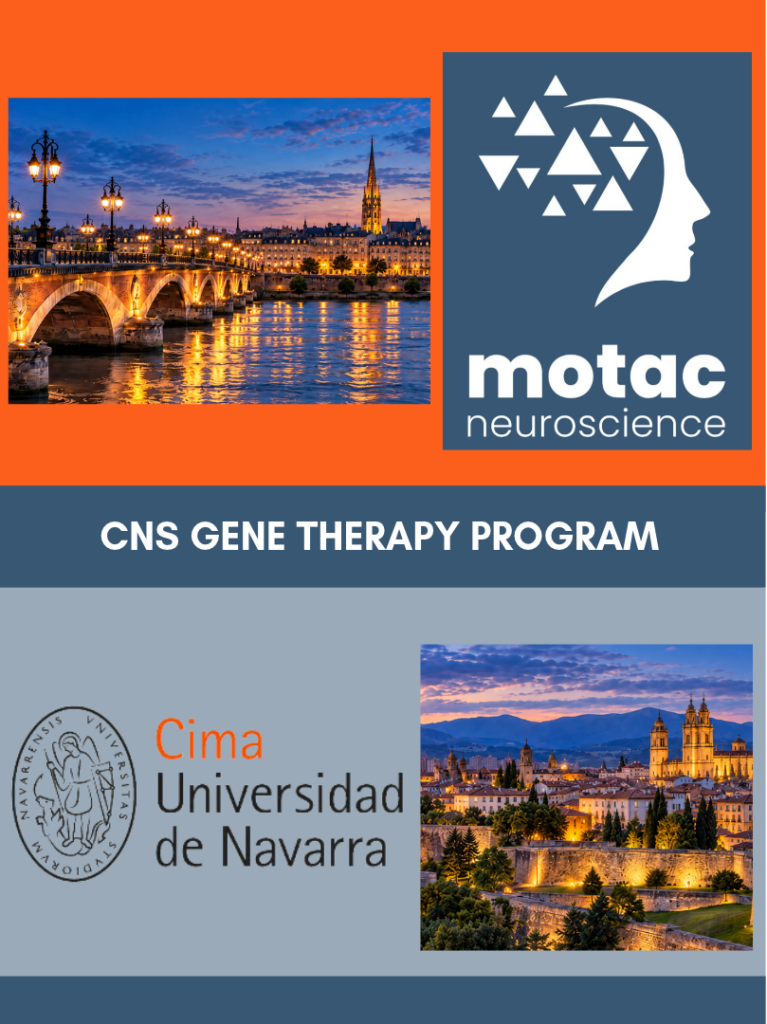
Precision Stereotaxic Delivery for CNS Gene Therapy

Motac’s strategic partnership with Cima Universidad de Navarra brings together complementary expertise in translational neuroscience, neuroanatomy, CNS gene therapy and precision stereotaxic delivery. The collaboration is supported by the internationally recognised expertise of CIMA’s research team in Parkinson’s disease, basal ganglia circuitry and gene therapy for neurodegenerative disorders.

The partnership provides highly specialised capabilities for the precise administration of gene therapies and other advanced therapeutic modalities to defined brain regions. Motac has performed more than 700 stereotaxic brain deliveries in non-human primates, supported by extensive experience in healthy and disease models.

Depending on the objectives and development stage of each programme, the teams can implement complementary stereotaxic and neuronavigational approaches, including:

By combining Cima’s expertise in Parkinson’s disease, basal ganglia neuroanatomy and CNS gene therapy with Motac’s extensive preclinical and stereotaxic capabilities, the partnership provides an integrated framework for evaluating innovative therapeutic approaches.

Clients benefit from accurate target selection, optimised delivery strategies and tailor-made study designs supporting biodistribution, biological activity and preclinical efficacy assessment. This combined expertise helps reduce technical risk and establish robust proof-of-concept data for the translation of promising CNS therapies.

Merck Logo, Motac's partner.
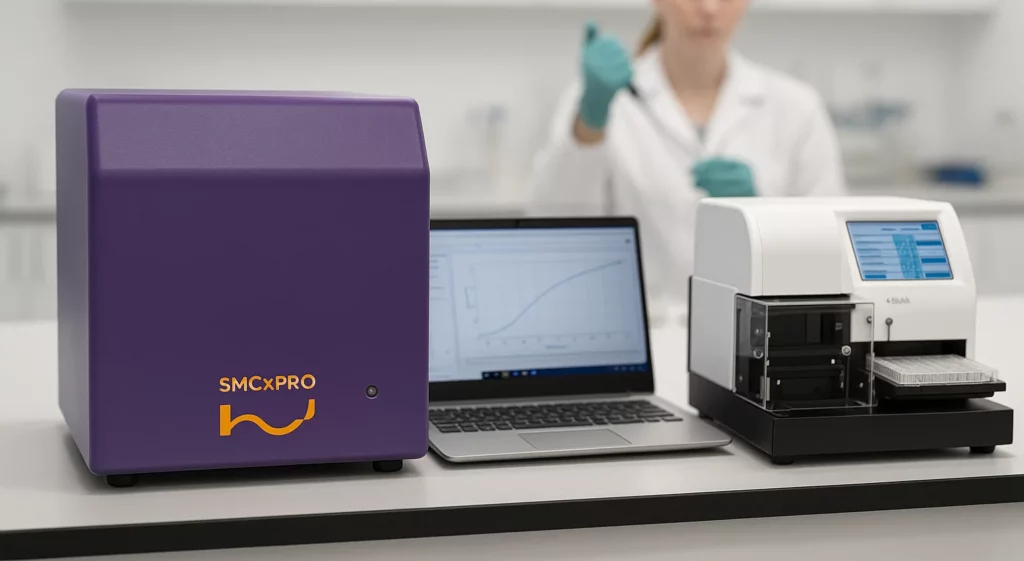
SMCxPRO laboratory equipment by Merck used by Motac Neuroscience for biomarker analysis.

Merck

Ultrasensitive Biomarker Quantification with SMCxPRO®

Motac has teamed up with Merck to provide access to the SMCxPRO® immunoassay platform for ultrasensitive biomarker quantification in biofluids and tissues. By combining Merck’s Single Molecule Counting technology with Motac’s expertise in translational neuroscience and preclinical research, this integrated service enables the detection of subtle biological changes that may remain below the sensitivity limits of conventional immunoassays.

The SMCxPRO® platform uses Single Molecule Counting technology to quantify low-abundance proteins and established disease biomarkers at concentrations down to the femtogram-per-millilitre level. Its immunoassay workflow combines analyte-specific capture and fluorescent detection antibodies with digital counting to improve sensitivity and extend the dynamic range beyond that of traditional ELISA methods.

The platform requires only small sample volumes, making it particularly valuable when analysing limited or precious specimens such as cerebrospinal fluid, plasma, serum and tissue homogenates. A growing portfolio of verified assays is available, alongside opportunities for customised assay development with Merck.

Motac integrates SMCxPRO® biomarker analysis into tailor-made preclinical research programmes for neurological and neurodegenerative disorders. Biomarker measurements can be combined with validated in vivo disease models, behavioural assessment, pharmacological testing and post-mortem analyses to provide a more comprehensive evaluation of disease progression and treatment response.

Available neuroscience biomarkers include Aβ40, Aβ42, phosphorylated tau, α-synuclein, phosphorylated α-synuclein and neurofilament light chain. These analyses support research into Parkinson’s disease, Alzheimer’s disease, multiple system atrophy and other CNS disorders. Additional verified assays are available across immunology, inflammation, oncology and cardiovascular research, while custom targets may be developed according to project requirements.

The Motac-Merck partnership gives clients access to highly sensitive biomarker quantification without the need to invest in specialist equipment or establish the technology internally. The service helps conserve valuable samples, detect small changes in protein concentration and generate quantitative biomarker data that complement functional, behavioural and histopathological endpoints.

By integrating SMCxPRO® analysis directly into a tailor-made preclinical study, Motac can coordinate sample collection, biomarker selection, assay implementation and data interpretation within a single research programme. This approach provides clients with a more complete understanding of target engagement, disease progression and therapeutic efficacy, strengthening preclinical proof-of-concept studies and supporting data-driven decisions in CNS drug development.

HuaZen Biosciences Logo, Motac's partner.
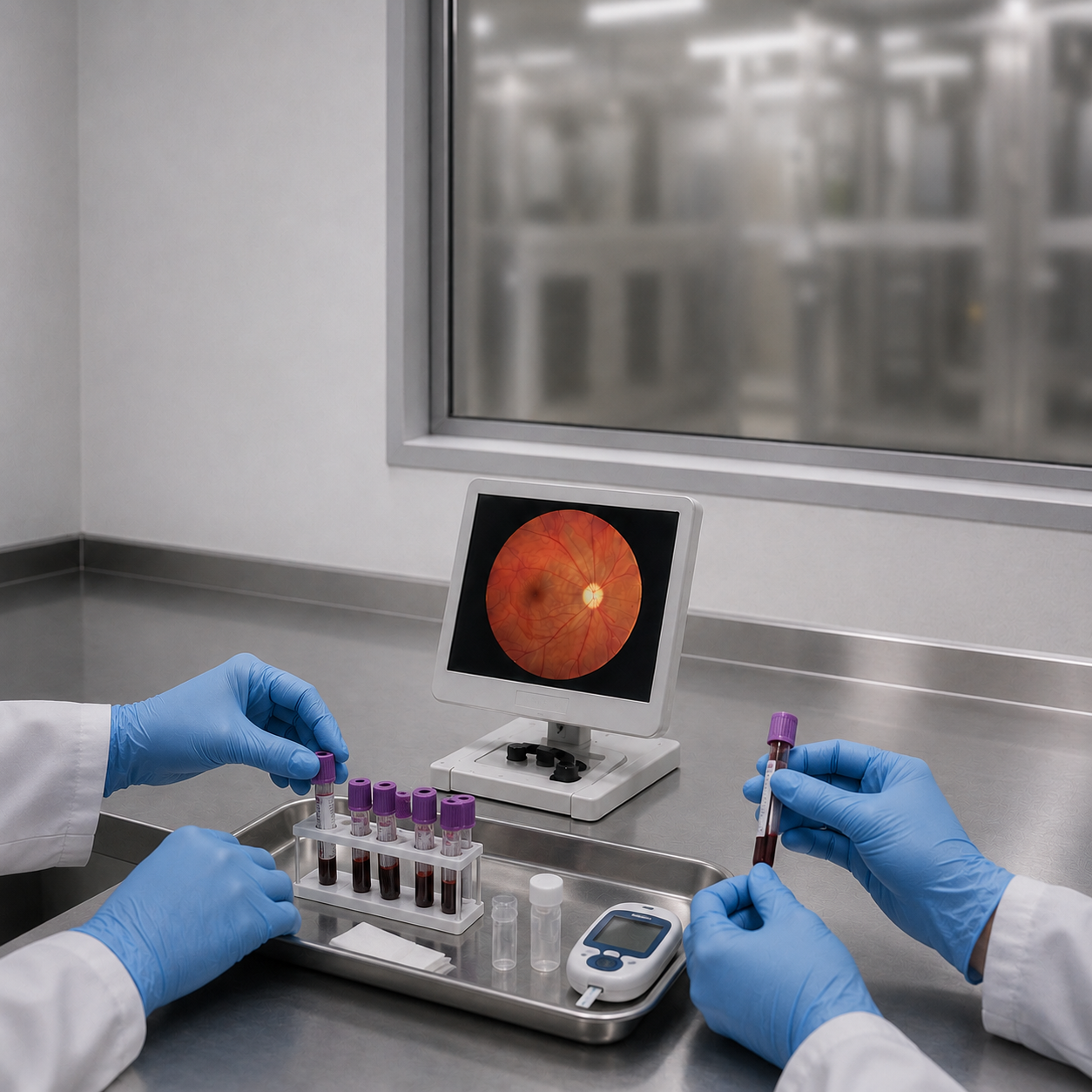
Researcher handling blood samples with a retinal imaging screen in the background for preclinical research.

HZ-Bio

Expanding access to specialised NHP research

Motac partners with HZ-Bio, a specialised non-human primate (NHP) research organisation based in Guangzhou, China, to provide access to naturally occurring and age-related NHP models for translational preclinical research.

HZ-Bio’s large cynomolgus macaque colony and dedicated research facilities enable the identification and characterisation of animals presenting spontaneous conditions relevant to metabolic, ocular, musculoskeletal and neurological research. This approach offers an important translational opportunity for evaluating therapeutic strategies in models that may more closely reflect the biological complexity and natural progression of human disease.

HZ-Bio is the research subsidiary of Huazhen Laboratory Animal Breeding Center, an AAALAC-accredited facility with more than 20 years of experience in NHP breeding, veterinary care and biomedical research.

Their infrastructure includes:

HZ-Bio has also contributed to peer-reviewed research involving naturally occurring ocular, metabolic, inflammatory and neurological conditions in cynomolgus macaques.

HZ-Bio complements Motac’s NHP lab in Beijing, China providing a combined access to specialised NHP populations and bringing forth our expertise in translational neuroscience, preclinical study design and tailor-made research programmes.

This partnership enables clients to explore naturally occurring or age-related NHP phenotypes, including models relevant to metabolic disorders, osteoporosis, glaucoma, age-related macular degeneration and neurological diseases. Motac provides the scientific guidance required to assess model relevance, define appropriate endpoints and develop a study design aligned with each therapeutic programme.

Together, Motac and HZ-Bio offer an integrated pathway from model identification and scientific strategy to the execution and interpretation of specialised NHP studies.

Défiler vers le haut